IGF-1 LR3 1mg Research Peptide – Laboratory Formulation (1mg Total)
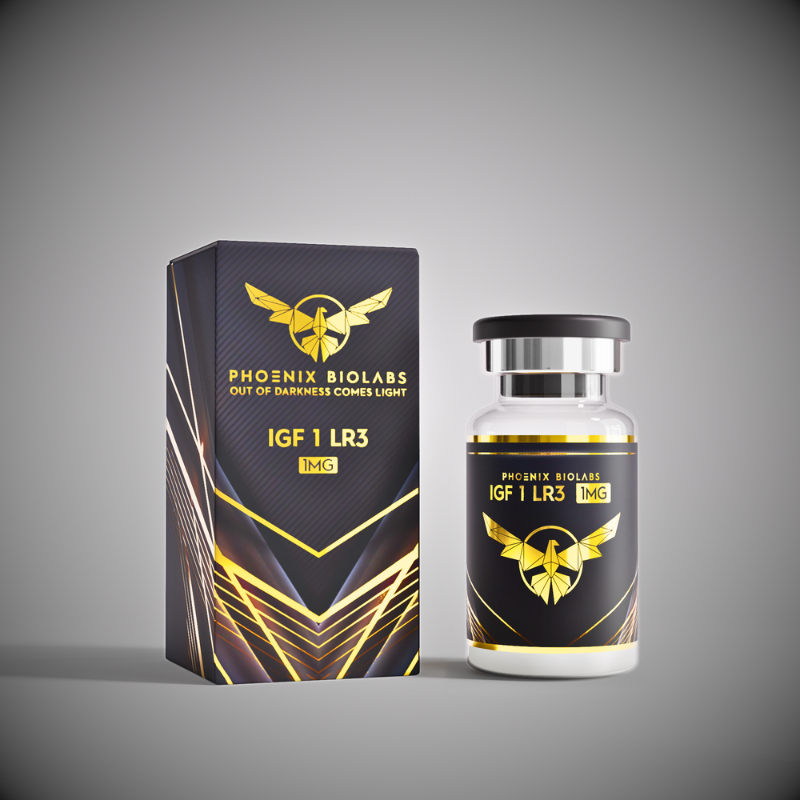
The IGF-1 LR3 1mg research formulation contains 1mg of insulin-like growth factor-1 LR3 (IGF-1 LR3), supplied in a sealed vial format for laboratory and analytical applications.
This formulation is supplied to support controlled laboratory handling, consistent preparation, and reproducibility across analytical and non-clinical research workflows.
Each batch is produced under controlled conditions with batch-level verification and documentation provided to support research traceability and consistency.
One sealed research vial containing:
IGF-1 LR3: 1mg
Secure, tamper-evident laboratory packaging
Batch-specific verification and documentation
IGF-1 LR3 supplied in a research-grade vial format
Designed to support controlled laboratory handling and preparation
Batch-level analytical verification
Traceability and documentation for research environments
Suitable for analytical and in-vitro research workflows
Research-grade production and packaging standards
Supports consistency across experimental procedures
Store at 2–8°C in a secure, temperature-regulated environment Protect from heat, direct light, and moisture Keep sealed until laboratory analysis Dispose of all materials according to laboratory safety protocols
This product is supplied strictly for in vitro laboratory research use only. It is not intended for human consumption, therapeutic use, or any in vivo application. By purchasing this product, the buyer agrees: They are a legal adult (18+ years old). The compound will be handled only by qualified professionals in controlled laboratory settings. Use is restricted exclusively to lawful in-vitro research purposes. The buyer assumes full responsibility for proper handling, storage, and laboratory application. No warranties are provided beyond suitability for stated research use. Phoenix Biolabs accepts no liability for misuse, misapplication, or unauthorised use. ⚠️ For Research Use Only. Not for Human or Veterinary Use.
2 reviews for IGF-1 LR3 1mg Research Compound
Rated 5 out of 5
Ruby Ford –
Customer service felt genuinely attentive, both before and after the purchase
Rated 5 out of 5
Callum Knight –
Very quick fulfilment and a smooth handover to the courier
Ruby Ford –
Customer service felt genuinely attentive, both before and after the purchase
Callum Knight –
Very quick fulfilment and a smooth handover to the courier